

Imagine sitting down to a dinner you’ve looked forward to all week. You take a bite, and within moments, a subtle tingling starts on your tongue. It shifts quickly to a swelling sensation in your throat. Panic sets in. For millions of people around the world, this isn’t a nightmare scenario—it is a daily reality.
We live in a world teeming with microscopic particles. For most, they are harmless. But for those with allergies, these particles are the enemy. Whether it’s the pollen floating on a spring breeze, the dander of a beloved pet, or a hidden ingredient in a restaurant meal, allergens are the invisible hurdles in the race of daily life.
But fear breeds in the unknown. The more we understand about what allergens are, how they work, and how to manage them, the less power they have over us. This guide is designed to strip away the mystery of the „invisible enemy” and empower you to navigate your environment with confidence.
1. The Mistaken Identity: What Actually Happens?
To understand allergens, we must first look at the human immune system. Think of your immune system as an elite security force. Its job is to identify foreign invaders (like viruses, bacteria, and parasites) and neutralize them before they cause harm.
In a person with allergies, this security force makes a critical error: a case of mistaken identity.
When you encounter an allergen—say, a peanut protein or a grain of ragweed pollen—your immune system misidentifies it as a dangerous threat. In response, it produces specific antibodies called Immunoglobulin E (IgE). These antibodies travel to cells that release chemicals, causing an allergic reaction.
The Histamine Explosion
The primary chemical released during this process is histamine. Histamine is responsible for the symptoms we associate with allergies.
- In the nose: It causes increased mucus production (runny nose) and itching (sneezing) to trap and expel the „invader.”
- In the skin: It causes dilation of blood vessels, leading to redness and hives.
- In the lungs: It can cause constriction of airways, leading to wheezing or asthma.
This is the body’s way of fighting a war against an enemy that doesn’t exist. The pollen wasn’t going to hurt you, but your body’s reaction to it certainly can.
2. The „Big 9”: Navigating Food Allergens
While any food can technically cause a reaction, the vast majority of food allergies are caused by a specific group. In many countries, these are legally required to be highlighted on food packaging.
1. Milk
Often confused with lactose intolerance (a digestive issue), a milk allergy is an immune reaction to the proteins casein and whey. It is one of the most common allergies in infants, though many outgrow it.
- Hidden Sources: Deli meats (used as a binder), non-dairy creamers (caseinates), and canned tuna.
2. Eggs
Egg allergies are triggered by proteins in the egg white (albumin) or the yolk. However, because separating them completely is difficult, total avoidance is usually recommended.
- The Vaccine Connection: Some vaccines are cultured in eggs, though many are now safe for allergic individuals. Always consult a doctor.
3. Peanuts
Perhaps the most famous allergen, peanuts are legumes, not tree nuts. Peanut allergies are known for causing severe, life-threatening reactions (anaphylaxis).
- Airborne Myth: Simply smelling peanut butter usually does not cause a reaction; the protein generally needs to be ingested or inhaled as dust (like shucking peanuts in a shell).
4. Tree Nuts
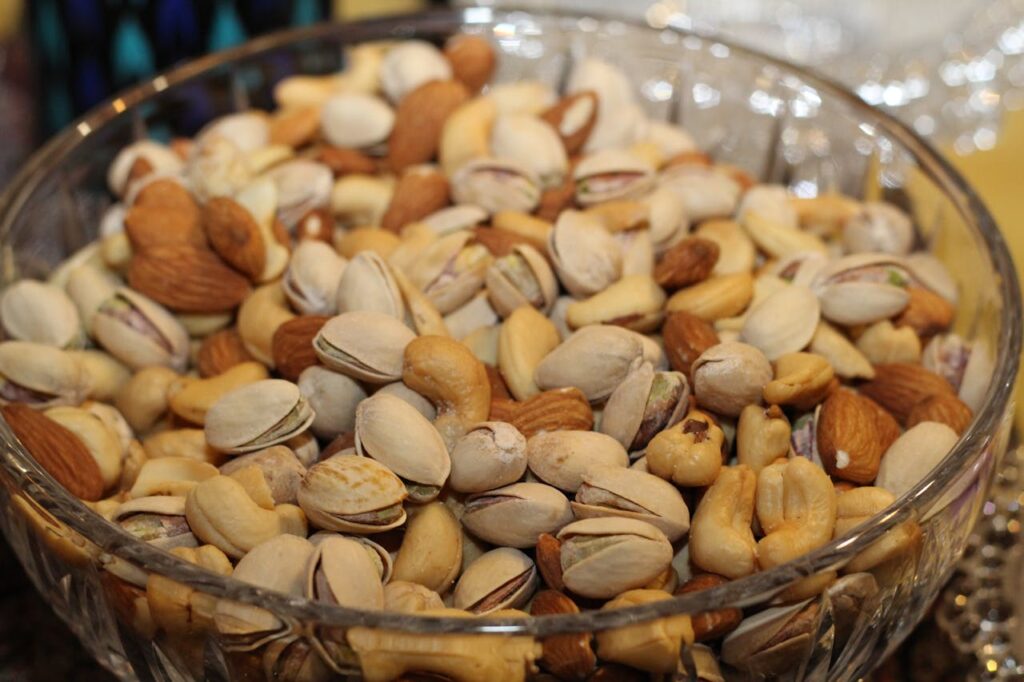
This category includes almonds, walnuts, cashews, pistachios, and pecans. Interestingly, being allergic to one tree nut doesn’t guarantee you are allergic to all, but cross-contamination risks are so high that many people avoid the entire group.
5. Fish
Unlike milk or egg allergies, fish allergies often develop in adulthood. This includes salmon, tuna, halibut, and cod.
- The Frying Pan Risk: Fish proteins can easily become airborne in steam during cooking, causing reactions in sensitive individuals just by walking into a kitchen.
6. Crustacean Shellfish
This covers shrimp, crab, and lobster. It is distinct from mollusk allergies (clams, oysters), though people are often allergic to both.
7. Wheat

A wheat allergy is an immune reaction to wheat proteins. It is not the same as Celiac disease (an autoimmune condition triggered by gluten).
- Play-Doh Warning: Many modeling clays contain wheat, posing a contact risk for allergic children.
8. Soybeans
Soy is a pervasive ingredient in processed foods, found in everything from baked goods to soups and sauces.
- The Oil Exception: Highly refined soy oil typically has the allergen protein removed and is safe for many, but cold-pressed soy oil is not.
9. Sesame
The newest addition to the major allergen list in the US (as of 2023). Sesame is often hidden in „natural flavors” or listed as „tahini” or „spices.”
3. The Kitchen Battlefield: Cross-Contamination

Understanding the allergen is only step one. Step two is understanding how it moves. You might buy a safe steak, but if that steak is cooked on a grill that just seared a piece of fish, the steak is now dangerous. This is cross-contact.
The „May Contain” Dilemma
You’ve likely seen labels saying „Processed in a facility that also handles…” or „May contain traces of…”
- The Reality: These are voluntary labels. A product without this warning isn’t necessarily safer than one with it.
- The Strategy: Treat these warnings seriously. If you have a severe allergy, „traces” are enough to trigger a reaction.
Safe Kitchen Practices
- Color Coding: Use specific colored cutting boards and utensils for allergen-free cooking (e.g., Purple for allergen-free).
- Sponge Safety: A sponge is a perfect trap for allergens. Never use the same sponge to wash a cheesy plate and a dairy-free plate.
- The „Three-Read” Rule: Read the label at the store, read it when putting it away, and read it before cooking. Formulas change without notice.
4. The Air We Breathe: Environmental Allergens
While you can choose not to eat a peanut, you cannot choose not to breathe. Environmental allergens are often harder to control because they are everywhere.
The Indoor „Big Three”
1. Dust Mites:
These are not insects that bite; they are microscopic arachnids that feed on dead human skin cells. The allergen is actually a protein found in their waste products.
- Habitat: They love soft, warm, humid environments—pillows, mattresses, and carpets.
2. Pet Dander: A common misconception is that people are allergic to animal fur. In reality, the allergen is a protein found in the animal’s saliva, urine, and dander (dead skin flakes). When an animal grooms itself, the saliva dries on the fur and flakes off into the air.
- The „Hypoallergenic” Myth: There is technically no such thing as a 100% hypoallergenic dog or cat. Some breeds just shed less dander than others.
3. Mold: Mold reproduces via tiny spores that float through the air. Indoors, they thrive in damp basements and bathrooms. Outdoors, they live in leaf piles and soil.
The „Bucket Theory” of Allergies
Why do you sometimes handle your cat fine, but other times you sneeze uncontrollably? Think of your allergic tolerance as a bucket.
- Morning: You wake up. The bucket is empty.
- 8:00 AM: You inhale some dust mites. The bucket fills 20%. No symptoms yet.
- 12:00 PM: You eat a mild food trigger. Bucket fills to 50%.
- 5:00 PM: You encounter pollen outside.
- Result: The bucket overflows. You have a reaction.
Managing environmental allergies is often about keeping the bucket low enough that one extra trigger doesn’t cause an overflow.
5. The „Sneaky” Ones: Hidden and Contact Allergens
Some allergens don’t enter through the mouth or nose—they attack through the skin or unexpected medical routes.
Latex-Fruit Syndrome
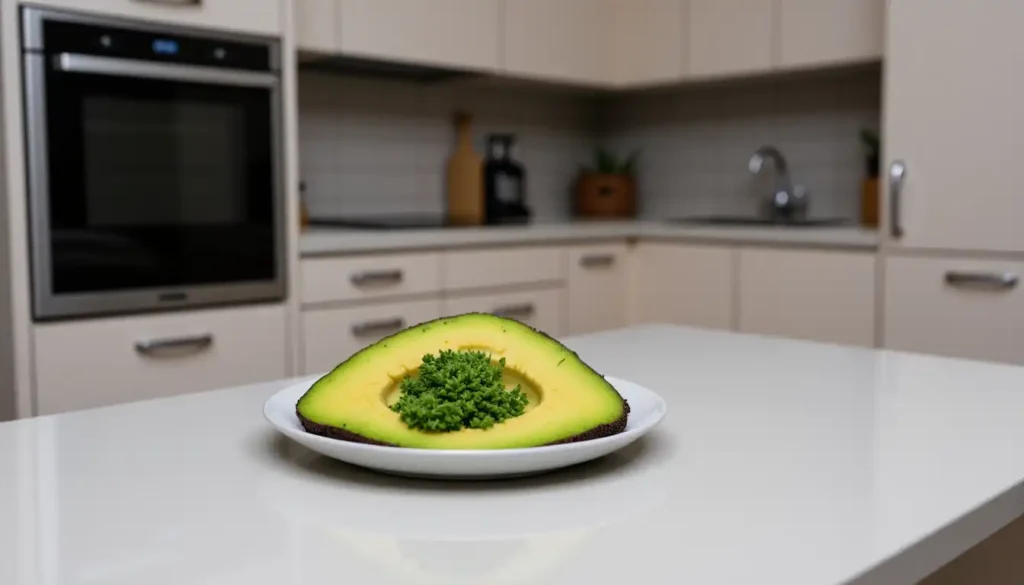
This is a fascinating biological coincidence. The proteins in natural rubber latex are structurally similar to proteins found in certain foods. People with latex allergies often react to:
- Avocados
- Bananas
- Chestnuts
- Kiwis
Nickel and Cobalt
If you get a rash (contact dermatitis) from wearing cheap jewelry, jean buttons, or belt buckles, you likely have a nickel allergy.
- Solution: Coat buttons in clear nail polish or switch to titanium or surgical steel.
Alpha-gal Syndrome
This is a meat allergy caused by the bite of the Lone Star Tick. The tick transmits a sugar molecule (alpha-gal) into the body. Weeks later, the person may develop a severe, delayed allergic reaction to red meat (beef, pork, lamb) and dairy. Unlike other food allergies, the reaction can happen 3-8 hours after eating, making it hard to diagnose.
6. The Crucial Distinction: Allergy vs. Intolerance
This section is vital for validation. People with allergies are often dismissed as „picky eaters” or „sensitive” because the general public confuses allergies with intolerances.
| Feature | Food Allergy | Food Intolerance |
| System Involved | Immune System (IgE Antibodies) | Digestive System (Enzymes) |
| Onset | Usually immediate (minutes to 2 hours) | Gradual (hours after eating) |
| Severity | Can be life-threatening (Anaphylaxis) | Uncomfortable (Gas, bloating, diarrhea) |
| Amount | Microscopic traces can trigger it | Small amounts may be tolerated |
| Example | Peanut Allergy | Lactose Intolerance |
Lactose Intolerance is the inability to digest milk sugar (lactose) because the body lacks the enzyme lactase. Milk Allergy is the immune system attacking milk protein. Giving a lactose-free milk product to someone with a milk allergy can be fatal.
7. When to Worry: Recognizing Anaphylaxis
Anaphylaxis is a severe, systemic allergic reaction that requires immediate medical attention. It is a medical emergency.
The symptoms often involve more than one body system:
- Skin: Hives, widespread redness.
- Respiratory: Wheezing, throat tightness, trouble swallowing.
- Cardiovascular: Drop in blood pressure, fainting, weak pulse.
- Gastrointestinal: Vomiting, severe cramps.
The Action Plan
If you or someone else suspects anaphylaxis:
- Administer Epinephrine (EpiPen/Auvi-Q) immediately. Do not wait to see if it gets better. Epinephrine is the only medication that reverses the symptoms. Antihistamines (like Benadryl) do not stop anaphylaxis.
- Call Emergency Services.
- Lay the person flat. Do not let them stand or walk, as this can cause a sudden drop in blood pressure.
8. Conclusion: Living Fearlessly (but Carefully)
We live in a modern era where allergy rates are rising, but so is our understanding of them. Living with allergies requires a shift in mindset. It moves you from passive consumption to active awareness.
It means reading the fine print. It means asking questions at restaurants even when it feels awkward. It means advocating for yourself and your children.
But awareness is not the same as fear. By understanding the „invisible enemy”—where it hides, how it acts, and how to neutralize it—you can reclaim your peace of mind. You can cook, travel, and explore the world, armed with the most powerful tool available: knowledge.