

It hits you at 3:00 PM. Or maybe late at night while watching TV. It’s not a hunger pang – it’s a demand. A specific, nagging pull toward the vending machine, the cookie jar, or that hidden stash of chocolate.
We often view sugar cravings as a moral failing—a sign that we are weak or lack discipline. But the reality is far more complex. A sugar craving is a biological signal, a complex interplay of hormones, neurochemistry, and ingrained habits.
This guide isn’t just about saying „no” to a donut. It’s about understanding the machinery of your body so you can dismantle the craving at its source.
1. Why We Crave: It’s Not Just You, It’s Biology
To beat the craving, you have to understand the mechanism. We are evolutionarily wired to seek out sugar. In nature, sweet tastes signal safe, energy-dense foods (like ripe fruit). Our ancestors didn’t have access to soda; they had to forage for berries.
The Brain on Sugar: The Dopamine Loop
When you eat sugar, your brain releases dopamine—the „feel-good” neurotransmitter. This is the same reward system activated by drugs of abuse.
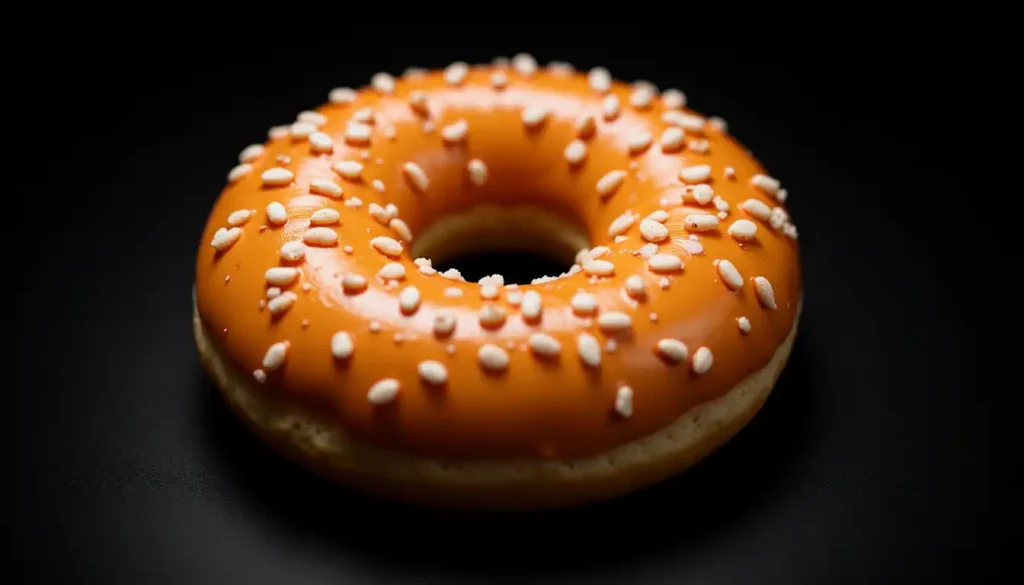
- The Signal: You eat sugar -> Brain releases dopamine -> You feel pleasure.
- The Trap: Over time, your brain down-regulates its dopamine receptors. This means you need more sugar to get the same pleasurable feeling. This is the definition of tolerance and addiction.
The Blood Sugar Roller Coaster
This is the most common physical driver of cravings.
- The Spike: You eat a high-sugar or refined carb snack. Your blood glucose skyrockets.
- The Response: Your pancreas pumps out insulin to clear the sugar from your blood.
- The Crash: Because the spike was so high, the insulin overcompensates, causing your blood sugar to plummet below baseline.
- The Craving: Low blood sugar (hypoglycemia) signals „DANGER” to the brain. The brain screams for the fastest source of energy available: Sugar. And the cycle repeats.
2. The Hidden Culprits: What Triggers the Urge?
Sometimes the craving isn’t about food at all. It’s a symptom of something else happening in your body or life.
1. The Sleep Connection
When you are sleep-deprived, your hormones go haywire.
- Ghrelin (The Hunger Hormone): Increases. You feel hungrier.
- Leptin (The Satiety Hormone): Decreases. You don’t feel full.
- The Result: Studies show that sleep-deprived individuals crave high-calorie, high-carb foods specifically to compensate for low energy.
2. Stress and Cortisol

Stress triggers the release of cortisol. Cortisol prepares your body for „fight or flight,” mobilizing glucose for energy. If you aren’t actually fighting a tiger, that mobilized energy isn’t used. Furthermore, stress depletes your willpower reserves, making you more likely to seek „comfort foods” to self-soothe.
3. Nutrient Deficiencies
Sometimes, a craving is your body asking for a specific nutrient.
- Magnesium: Chocolate cravings are often linked to low magnesium levels.
- Zinc & Chromium: Deficiencies here can lead to unstable insulin levels, triggering sugar lust.
3. Immediate Defense: What to Do When a Craving Strikes
You’re standing in the kitchen, staring at the pantry. The urge is strong. Here is your tactical toolkit for the moment of impact.
The „HALT” Method
Ask yourself: Am I Hungry, Angry, Lonely, or Tired?
- If it’s Hunger: Eat a real meal.
- If it’s Emotion (Angry/Lonely): Call a friend, journal, or walk. Sugar won’t fix the emotion.
The 10-Minute Rule
Cravings are wave-like; they crest and then break. Tell yourself: „I can have this, but I have to wait 10 minutes.” Distract yourself during that window. Usually, the intensity of the wave will crash, and you can make a rational decision.
The „Sour” Hack
Shock your palate. Eating something sour or fermented can instantly kill a sweet craving.
- Try a spoonful of apple cider vinegar in water.
- Eat a pickle or a piece of fermented vegetable (sauerkraut).
- Squeeze fresh lemon juice on your tongue.
4. The Long Game: How to Quit for Good
Fighting cravings daily is exhausting. The goal is to prevent them from showing up in the first place.
1. Prioritize Protein and Fat at Breakfast
The way you start your day dictates your blood sugar curve. A breakfast of toast and juice sets you up for a crash by 10 AM.
- Switch to: Eggs, greek yogurt, avocado, or a protein shake. Protein slows digestion and blunts the insulin spike, keeping you satiated for hours.
2. Increase Fiber Intake
Fiber acts as a brake for sugar absorption. It fills your stomach physically (stretching the stomach wall, which signals fullness) and feeds healthy gut bacteria.
- Target: Aim for 30g of fiber a day from vegetables, legumes, and seeds (chia/flax).
3. Reset Your Palate
If you constantly eat artificial sweeteners (diet sodas), your brain still expects sugar. Some studies suggest this keeps the craving loop alive. Consider a 2-week „sweet detox” where you remove added sugars and artificial sweeteners. Natural fruit (berries) will start tasting incredibly sweet again as your taste buds reset.
4. Hydration
Thirst is often masked as hunger. The hypothalamus regulates both signals, and lines can get crossed. Before eating a sweet treat, drink a large glass of water and wait 15 minutes.
5. Identifying Hidden Sugars
You might be cutting out cookies, but still consuming massive amounts of hidden sugar. Manufacturers use over 60 different names for sugar on labels to hide the total amount.
Watch out for these aliases:
- High Fructose Corn Syrup
- Dextrose / Maltodextrose
- Barley Malt
- Rice Syrup
- Cane Juice Crystals
- Fruit Juice Concentrate (this is just sugar, not fruit)
The „Healthy” Trap: Granola bars, flavored yogurts, and „vitamin” waters are often the worst offenders, sometimes containing more sugar than a candy bar.
6. Conclusion: Progress, Not Perfection
Eliminating sugar cravings doesn’t mean you can never eat cake again. It means you eat the cake because you chose to enjoy it, not because your body forced you to grab it in a desperate attempt to raise blood sugar.
It takes roughly 10 to 14 days to break the physical addiction to sugar. The first few days will be hard—you might feel headaches or irritability (the „keto flu” or sugar withdrawal). But once you cross that threshold, the brain fog lifts. The energy crashes stop. You regain control of your appetite, and by extension, your health.